THORACIC SURGERY IN AHMEDABAD
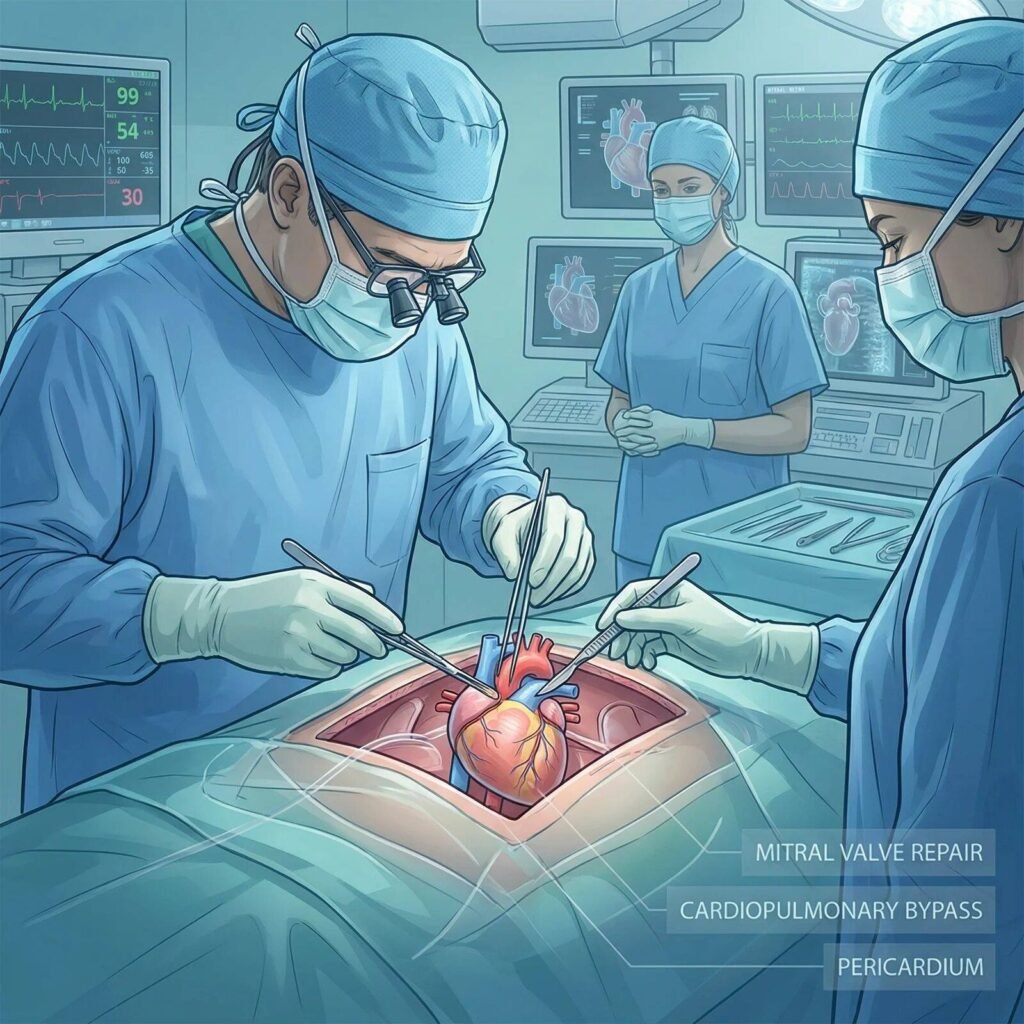
Thoracic Surgery in Ahmedabad by Dr. Abhishek R. Parmar
Thoracic surgery treats conditions of the chest — the lungs, the airways, the chest wall and the mediastinum (the central area between the lungs). Thoracic surgery in Ahmedabad with Dr. Abhishek R. Parmar offers expert surgical care for lung disease, lung tumours, mediastinal masses, chest-wall problems and chest trauma, including advanced keyhole VATS (Video-Assisted Thoracic Surgery). With 20+ years of experience and 11,000+ surgeries, Dr. Parmar delivers precise, modern thoracic care with a focus on minimally invasive techniques wherever possible.
What is Thoracic Surgery?
Thoracic surgery is the surgical treatment of organs and structures inside the chest, other than the heart — principally the lungs, the airways (trachea and bronchi), the oesophagus area, the chest wall and the mediastinum. It is used to remove tumours, treat infections and collections of fluid or air around the lungs, repair injuries from chest trauma, and obtain tissue for accurate diagnosis.
Modern thoracic surgery increasingly uses minimally invasive keyhole techniques (VATS), which avoid large chest incisions and allow patients to recover faster. Dr. Parmar performs both traditional open thoracic surgery and VATS, choosing the approach that is safest and most effective for each patient’s condition.
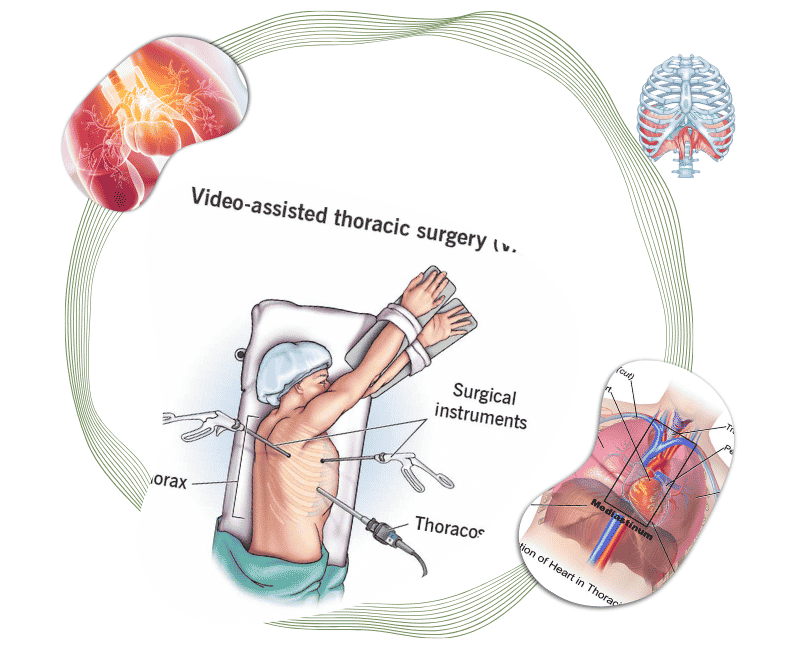
VATS - Video-Assisted Thoracic Surgery (Keyhole Chest Surgery)
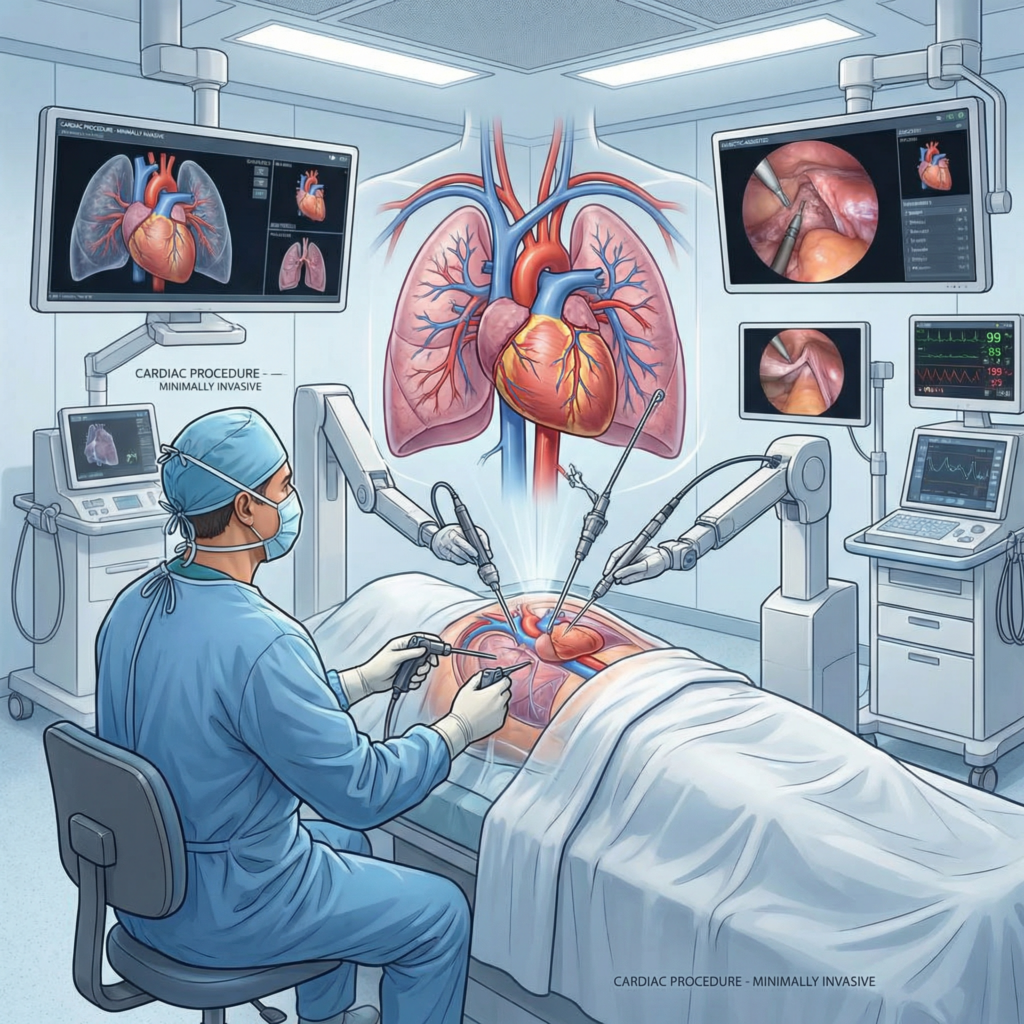
VATS is a minimally invasive technique in which the surgeon operates inside the chest through a few small incisions, guided by a tiny camera, instead of making a large open incision and spreading the ribs. Dr. Parmar performs both diagnostic VATS (to obtain biopsies and confirm a diagnosis) and therapeutic VATS (to treat the condition).
Benefits of VATS:
- Smaller incisions and far less pain than open chest surgery
- Reduced blood loss and lower complication risk
- Shorter hospital stay
- Faster return to normal activities
- Better cosmetic result
Not every condition can be treated with VATS — some tumours and complex cases still require open surgery for safety. Dr. Parmar advises honestly on the best approach for each patient.
Open Thoracic Surgery vs VATS
|
Sr.
|
Factor
|
VATS (Keyhole)
|
Open Thoracic Surgery
|
|---|---|---|---|
|
1
|
Incisions
|
A few small cuts
|
One large chest incision
|
|
2
|
Ribs
|
Not spread apart
|
Often spread apart
|
|
3
|
Pain
|
Less
|
More
|
|
4
|
Hospital stay
|
Shorter
|
Longer
|
|
5
|
Recovery
|
Faster
|
Slower
|
|
6
|
Best for
|
Many lung, pleural & diagnostic cases
|
Large or complex tumours, certain emergencies
|
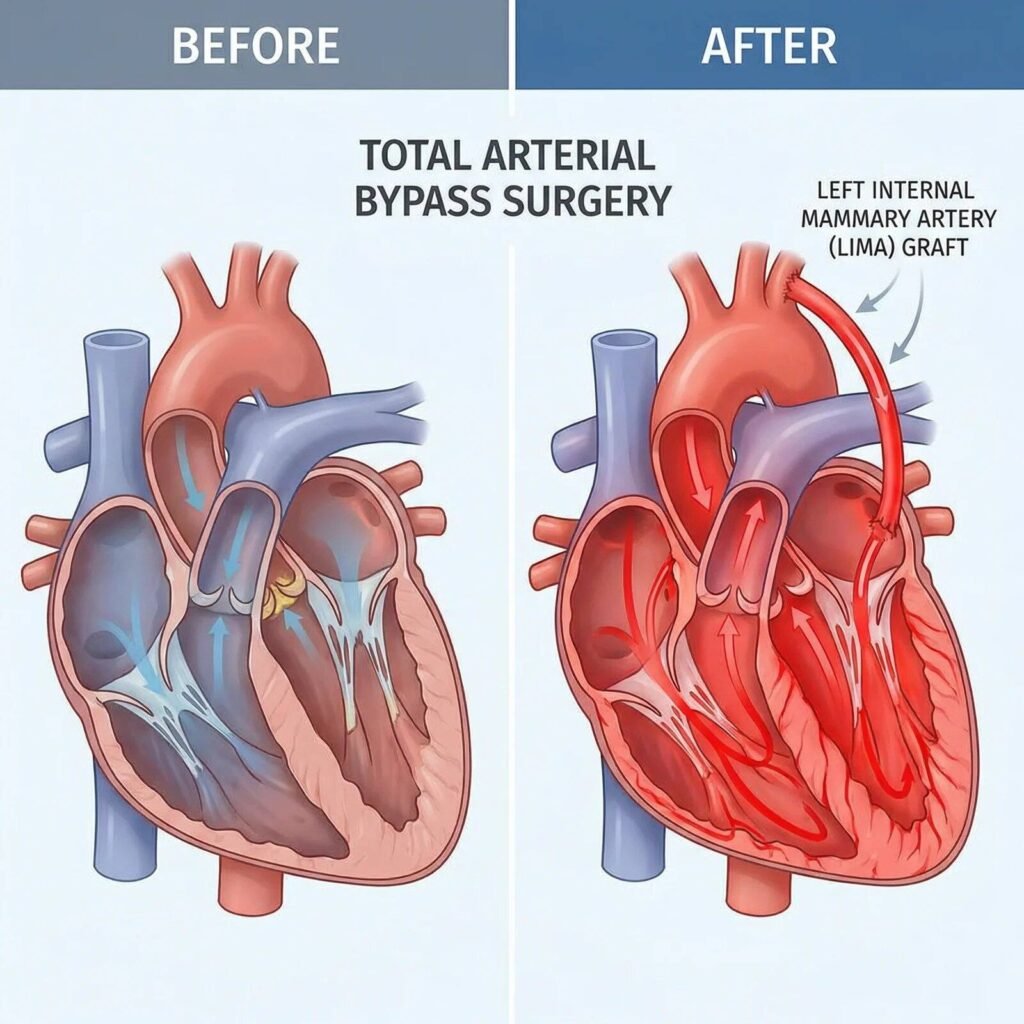
Thoracic Procedures Offered
- Lung resection — wedge resection, lobectomy (removal of a lung lobe)
- VATS — diagnostic and therapeutic
- Mediastinal tumour and cyst removal
- Pleural procedures — drainage, decortication, pleurodesis
- Treatment of pneumothorax (collapsed lung)
- Chest-wall tumour and deformity surgery
- Surgical management of chest trauma
- Lung and chest biopsies for accurate diagnosis
Signs You May Need to See a Thoracic Surgeon
- A lung nodule or mass found on a scan or X-ray
- Persistent cough, coughing up blood, or unexplained chest pain
- A diagnosis of lung cancer or a mediastinal tumour
- Recurrent fluid or air around the lung
- Breathlessness from a pleural or lung condition
- A serious chest injury

- Many thoracic conditions, including early lung cancer, are most treatable when found and operated on early. If a scan has shown something in your chest, a prompt surgical opinion is valuable.
Your Treatment Journey
Recovery & Outcomes After Surgery
Recovery depends on the procedure and approach. After VATS, many patients leave hospital within a few days and return to normal activities noticeably faster than after open surgery. Open thoracic surgery requires a longer recovery with chest physiotherapy to keep the lungs healthy. For lung cancer and tumours, surgery is often combined with other treatments as part of a comprehensive plan — HCG Hospitals’ oncology infrastructure supports this multidisciplinary care. Dr. Parmar provides a clear, personalised recovery and follow-up plan for every patient.
Why choose Dr. Abhishek Parmar for Thoracic Surgery?
Dr. Abhishek Parmar is trusted by thousands of patients for his calm guidance, clear communication, and genuine concern for their well-being. He blends advanced surgical expertise with a human touch, helping patients feel confident and cared for at every step of their heart-health journey.
- 20+ years of experience and 11,000+ cardiac, thoracic & vascular surgeries
- Demonstrated expertise in complex thoracic, mediastinal and trauma surgery
- Skilled in diagnostic and therapeutic VATS (keyhole chest surgery)
- Based at HCG Hospitals — strong oncology and diagnostic infrastructure for lung tumour care
- Minimally invasive approach wherever it is safe and appropriate
- Patient-first, clear communication at every step
Frequently Asked Questions About Thoracic Surgery
20+ years of experience
11,000+ successful cardiac, thoracic, and vascular surgeries
20+ years of experience
11,000+ successful cardiac, thoracic, and vascular surgeries
Q. What does a thoracic surgeon do?
A thoracic surgeon operates on organs in the chest other than the heart — mainly the lungs, airways, chest wall and mediastinum. This includes removing lung tumours, treating pleural disease, and managing chest trauma, often using minimally invasive VATS.
Q. What is VATS surgery?
VATS (Video-Assisted Thoracic Surgery) is keyhole chest surgery performed through a few small incisions using a tiny camera, instead of a large open cut. It causes less pain and allows a faster recovery than open surgery, for suitable cases.
Q. Is lung surgery dangerous?
Modern lung surgery, especially with VATS in experienced hands, is safe and often curative for early lung cancer. Individual risk depends on the condition, lung function and overall health, which Dr. Parmar assesses carefully before surgery.
Q. How long is recovery after thoracic surgery?
After VATS, many patients leave hospital within a few days and return to normal activity within a few weeks. Open thoracic surgery requires a longer recovery with chest physiotherapy.
Q. A scan showed a nodule in my lung — do I need surgery?
Not always. Some nodules are harmless and only need monitoring; others need a biopsy or removal. A thoracic surgical opinion helps decide the safest course based on the nodule’s size, appearance and your risk factors.
Q. Can mediastinal tumours be removed minimally invasively?
Many can, depending on size and location. Dr. Parmar has expertise in mediastinal surgery and will advise whether a minimally invasive or open approach is best for you.
Related Treatments
Cardiovascular Surgery
Minimally Invasive Cardiac Surgery (MICS)
Vascular Surgery
Book Your Consultation
If a scan has shown a lung or chest problem, or you have been advised thoracic surgery, book a consultation with Dr. Abhishek Parmar at HCG Hospitals, Ahmedabad. Outstation and international patients are welcome.