Left Ventricular (L.V.) Aneurysm Surgery In Ahmedabad
Left Ventricular (L.V.) Aneurysm Surgery in Ahmedabad by Dr. Abhishek R. Parmar
A left ventricular aneurysm is a weakened, bulging area of the heart’s main pumping chamber that usually develops after a heart attack. Left untreated, it can reduce the heart’s pumping power and lead to heart failure, dangerous rhythm problems or blood clots. Left ventricular aneurysm treatment in Ahmedabad with Dr. Abhishek R. Parmar offers specialised surgical repair that restores the heart’s shape and function. With 20+ years of experience and 11,000+ cardiac, thoracic and vascular surgeries, Dr. Parmar provides expert management of this complex, post-heart-attack condition.
What is a Left Ventricular Aneurysm?
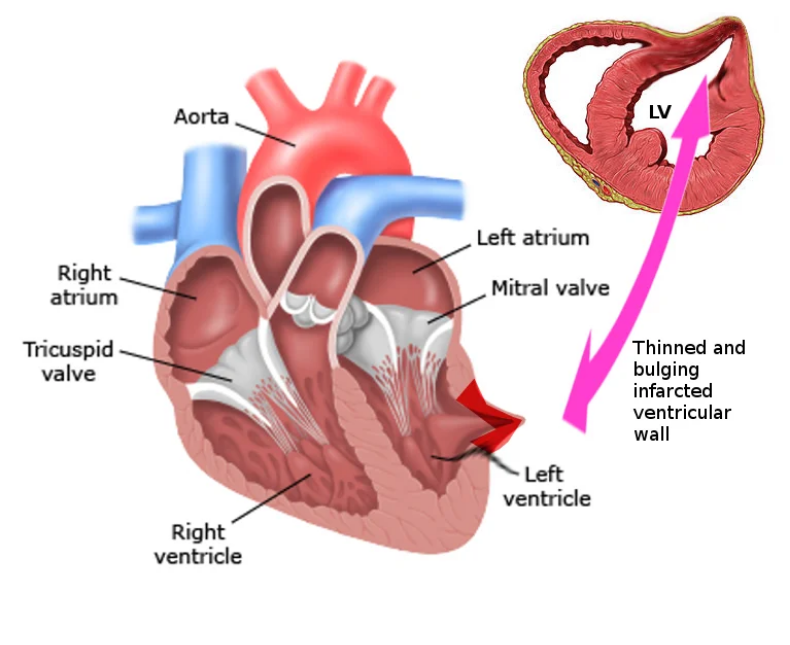
The left ventricle is the heart’s main pumping chamber, responsible for sending oxygen-rich blood to the entire body. A left ventricular aneurysm is a section of the ventricle wall that has become thin, scarred and weakened, so that instead of contracting normally it bulges outward with each heartbeat. This bulge does not contribute to pumping, which forces the rest of the heart to work harder and reduces overall heart function.
Most LV aneurysms form in the weeks and months after a large heart attack, when an area of heart muscle has died and been replaced by scar tissue. Because the scar cannot contract, it gradually stretches and balloons out, particularly at the front and tip (apex) of the heart.
Symptoms of a Left Ventricular Aneurysm
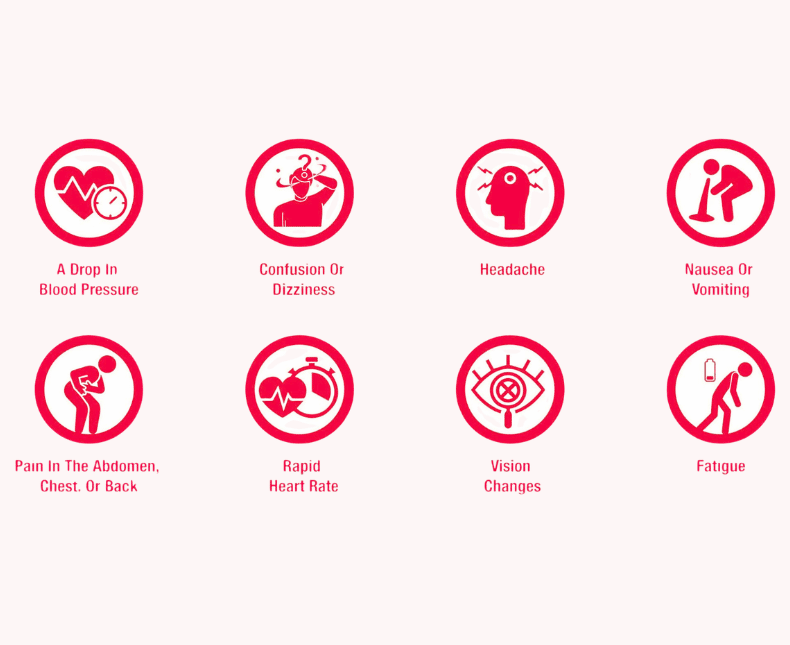
Some LV aneurysms cause few symptoms and are found on a scan. Others lead to:
- •Breathlessness, especially on exertion (a sign of heart failure)
- •Fatigue and reduced exercise capacity
- •Palpitations or irregular heartbeats (arrhythmias)
- •Chest discomfort
- •Symptoms from blood clots forming in the aneurysm, which can travel elsewhere in the body
If you have had a heart attack and develop breathlessness, palpitations or worsening tiredness, an evaluation can determine whether an LV aneurysm has formed.
How is an L.V. Aneurysm Diagnosed?
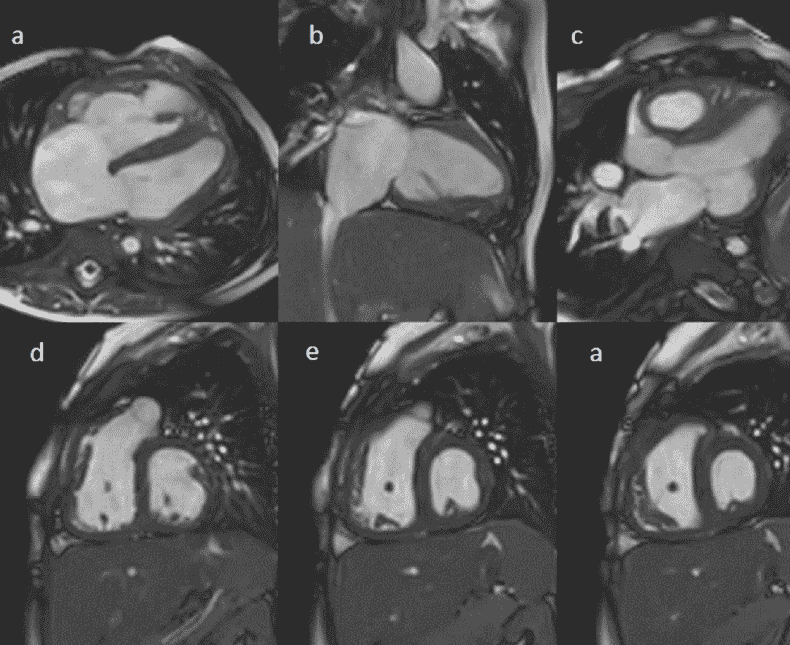
Diagnosis combines the patient’s history (especially a previous heart attack) with imaging:
- Echocardiogram — ultrasound of the heart showing the bulging, non-contracting area
- ECG — may show persistent changes after a heart attack
- Cardiac MRI — detailed assessment of the aneurysm, scar and surrounding muscle
- Coronary angiography — to assess the coronary arteries, often before surgery
- CT scan — in selected cases for surgical planning
When is Surgery Needed?
Not every LV aneurysm needs surgery — small, stable aneurysms with few symptoms may be managed with medication and monitoring. Surgery is generally considered when:
- The aneurysm is large and reduces the heart’s pumping function
- There is heart failure that is difficult to control with medication
- Dangerous heart rhythm problems arise from the aneurysm
- Blood clots form within the aneurysm, raising the risk of stroke
- Coronary bypass surgery is also needed and the aneurysm can be repaired at the same time

- Dr. Parmar assesses each patient individually and recommends surgery only when its benefits clearly outweigh the risks.
L.V. Aneurysm Surgery: How It Works
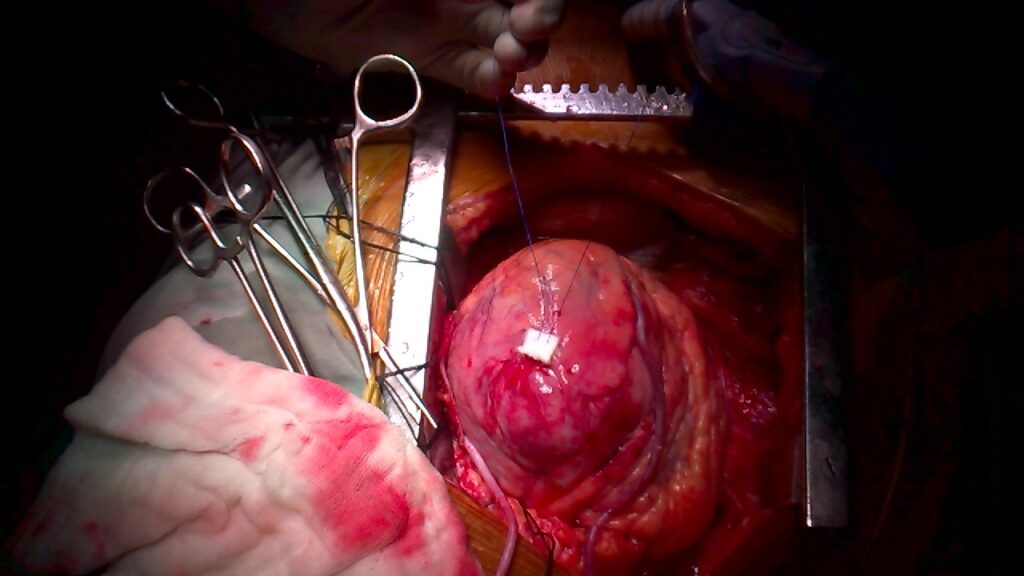
The aim of surgery is to remove or close off the weakened, bulging scar tissue and restore the left ventricle to a more normal, efficient shape — a procedure known as surgical ventricular restoration or LV aneurysm repair. By rebuilding the chamber’s shape, the healthy heart muscle can pump more effectively, relieving heart failure symptoms and reducing the risk of rhythm problems and clots.
LV aneurysm repair is frequently combined with coronary artery bypass surgery (CABG), since the underlying coronary disease that caused the original heart attack often needs treating at the same time. Valve repair may also be carried out if needed. This is complex, specialised cardiac surgery that requires an experienced surgeon and team.
Your Surgery Journey: Step by Step
Recovery & Outcomes After Surgery
Because LV aneurysm surgery is complex and often combined with bypass, recovery is similar to — and sometimes a little longer than — standard open-heart surgery, with a hospital stay of about a week and a return to normal activity over 8–12 weeks. Cardiac rehabilitation is an essential part of recovery. For suitable patients, successful repair can meaningfully improve heart function, relieve breathlessness and fatigue, reduce arrhythmias and lower the risk of clots — improving both quality of life and long-term outlook. Ongoing management of heart failure and coronary disease remains important after surgery.
Why Choose Dr. Abhishek Parmar for L.V. Aneurysm Surgery?
Dr. Abhishek Parmar is trusted by thousands of patients for his calm guidance, clear communication, and genuine concern for their well-being. He blends advanced surgical expertise with a human touch, helping patients feel confident and cared for at every step of their heart-health journey.
- 20+ years of experience and 11,000+ cardiac, thoracic & vascular surgeries
- Specialised experience in complex left ventricular aneurysm repair
- Able to combine LV repair with CABG and valve surgery in a single operation
- HCG Hospitals’ advanced cardiac OT and dedicated CTVS ICU for complex cases
- Comprehensive heart-failure and post-operative care
- Patient-first, honest assessment of risks and benefits
Frequently Asked Questions About Left Ventricular (L.V.) Aneurysm Surgery

20+ years of experience
11,000+ successful cardiac, thoracic, and vascular surgeries
20+ years of experience
11,000+ successful cardiac, thoracic, and vascular surgeries
Q. What is a left ventricular aneurysm?
It is a weakened, bulging area of the heart’s main pumping chamber (the left ventricle), usually caused by scar tissue after a heart attack. The bulge does not pump, so it reduces overall heart function.
Q. Is a left ventricular aneurysm dangerous?
It can be. A large LV aneurysm can lead to heart failure, dangerous rhythm problems and blood clots that may cause a stroke. The risk depends on the size and effect on heart function, which is why assessment is important.
Q. Does every LV aneurysm need surgery?
No. Small, stable aneurysms with few symptoms may be managed with medication and monitoring. Surgery is recommended when the aneurysm is large, causes heart failure or arrhythmias, or forms clots. Dr. Parmar advises based on your individual case.
Q. How is LV aneurysm surgery done?
The weakened, bulging scar tissue is removed or closed off and the ventricle is reshaped to a more efficient form (surgical ventricular restoration). It is often combined with coronary bypass surgery, since the underlying artery disease usually also needs treating.
Q. Can LV aneurysm repair be combined with bypass surgery?
Yes — in fact it commonly is. Because the heart attack that caused the aneurysm results from coronary artery disease, bypass grafting is frequently performed during the same operation.
Q. What is the recovery like after LV aneurysm surgery?
Recovery is similar to other open-heart surgery: a hospital stay of about a week and a return to normal activity over 8–12 weeks, supported by cardiac rehabilitation and ongoing heart-failure management.
Related Treatments
Cardiovascular Surgery
Coronary Artery Bypass Surgery (CABG)
Heart Valve Surgery
Book Your Consultation
If you have had a heart attack and develop breathlessness, palpitations or fatigue, or have been told you have a left ventricular aneurysm, book a consultation with Dr. Abhishek Parmar at HCG Hospitals, Ahmedabad. Outstation and international patients are welcome.